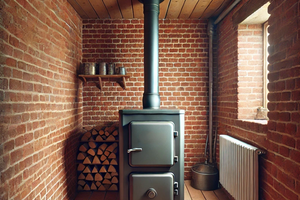
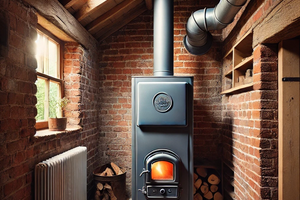
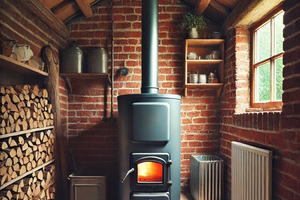
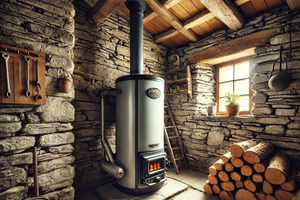
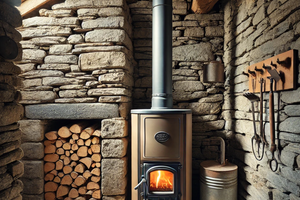
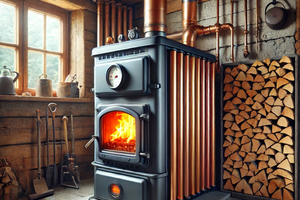
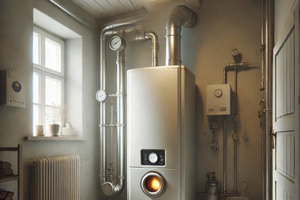
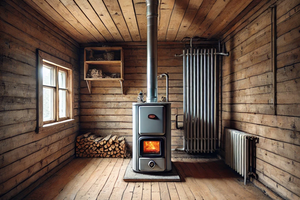
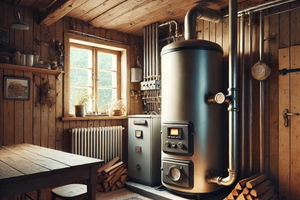
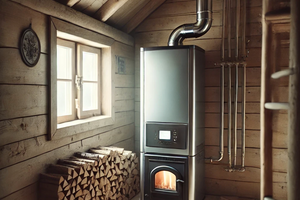
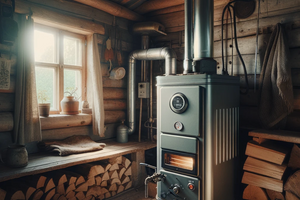
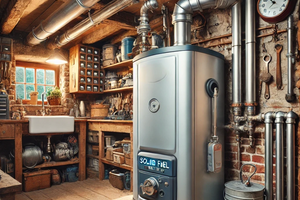
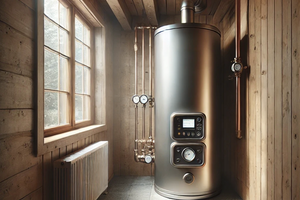
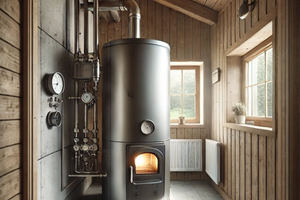
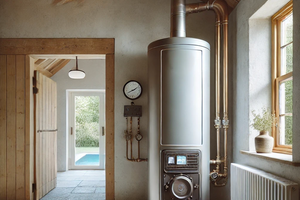
Heat is what makes our home cozy and comfortable. When it's freezing outside, you want to return to a warm space where pleasant comfort awaits. But what if heating the house depends on a solid fuel boiler, and the room where it is installed is not heated? A frozen boiler can become a serious problem, leading to significant repair costs. So how can you protect it from this issue?
Why It’s Important to Protect the Boiler from Freezing
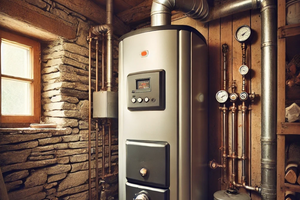
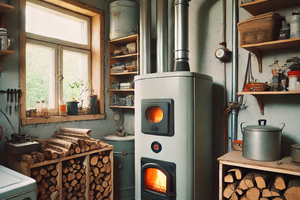
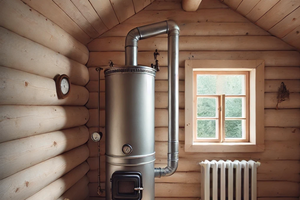
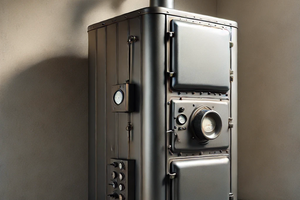
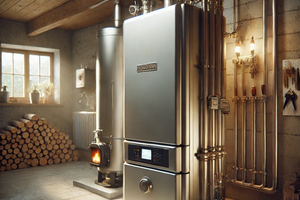
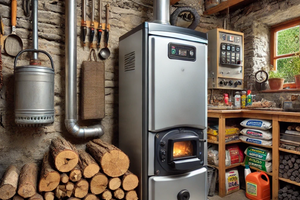
Solid fuel boilers are a reliable choice for heating in harsh winter conditions. You can buy solid fuel boilers in various options, but regardless of the type, they need protection in cold weather. If the boiler freezes, it can cause the heat exchanger to rupture, leading to expensive repairs or even replacement of the equipment.
Preventing Freezing: Key Tips
To ensure your boiler does not freeze, you should consider several important factors:
-
Insulation of pipelines and the boiler. High-quality thermal insulation reduces the risk of freezing. By insulating the pipes and the boiler itself, you significantly minimize heat loss and protect the equipment from low temperatures. If the boiler is installed in a temporary, cold space, it is still better to insulate it, as excessive heat loss would be unjustified.
-
Constant circulation. A continuously operating pump reduces the likelihood of freezing in the heating system, but only at moderately low temperatures or during short cold spells. Just like mountain rivers endure extreme frosts but eventually freeze over, a heating system can also freeze, which is critical for its operation.
-
Installing a heating element (TEN) and a thermostat. One of the simplest ways to prevent freezing is by installing a heating element with a thermostat, which maintains a minimum temperature in the heating system when the fuel in the boiler burns out. Even in severe frosts, the temperature inside the room will remain positive.
-
Alternative energy sources. Connecting a gas or electric boiler to the system, either in sequence or via a thermostat, allows automatic activation when the solid fuel boiler stops. This can also serve as an alternative to a mixing unit for boiler condensation protection.
-
Antifreeze. Using special antifreeze for heating systems is an excellent solution. These liquids prevent the heat carrier from freezing, which is especially crucial if the boiler is not operating continuously.
-
Heat accumulators. Installing heat accumulators not only helps distribute heat evenly but also protects the system from possible temperature fluctuations. These devices store heat and allow the boiler to operate more efficiently.
Practical Advice and Examples
To understand the importance of these measures, let’s look at a real-life example. A family from a small village in Ukraine installed a solid fuel boiler in an unheated garage. In winter, when the temperature dropped below -20°C, they discovered that the boiler had frozen, causing the system to stop functioning. Repairs were costly, and the boiler had to be replaced. If they had followed some of the tips mentioned above, they could have avoided this issue.
Using antifreeze in a heating system is essentially an insurance policy against frost. Just as drivers add antifreeze to a car’s radiator to protect it in winter, this approach in heating systems helps prevent the freezing of the heat carrier.
How to Choose the Right Solution
To ensure maximum boiler protection, it is necessary to select the right equipment and materials. When choosing a boiler, pay attention to the best long-burning solid fuel boilers. These are not only efficient but also have characteristics that make them more resistant to low temperatures.
Also, do not forget about the quality of thermal insulation. Invest in modern insulation materials that not only retain heat but also protect your system from freezing. It is also essential to ensure that all system elements are compatible and function harmoniously.
Final Recommendations
When it comes to protecting a solid fuel boiler from freezing, it is best to use a comprehensive approach. It is important not only to choose the right equipment but also to ensure proper operation and maintenance. Installing a thermostat, using antifreeze, quality insulation, and heat accumulators are key steps that will help you avoid many problems during winter.
Remember, proper preparation for winter ensures the long-term and uninterrupted operation of your heating equipment. You can buy heat accumulators for solid fuel boilers and other necessary elements in our store, where experts will always advise you and help you make the right choice.